Portable Storage Miami: More Space, Less Stress, and Everything You Need To Know
MiamiStorage Tips and Hacks
TL;DR: Portable Storage Miami
|
Between beach gear, seasonal decorations, furniture, and everything else competing for space, even a comfortable Miami home can start feeling crowded. When renovations or a major decluttering project enter the picture, finding somewhere to put everything becomes a priority. Portable storage Miami solutions offer a convenient alternative to hauling your belongings across town, giving you more control over where and how you store your stuff.
How Does Portable Storage Work in Miami?
Portable storage comes to you instead of sending you to a facility. With PODS, you can choose from 8-foot, 12-foot, and 16-foot containers, depending on your needs.
Here’s how it works:
- Schedule delivery: Have a container delivered to your property, where permitted.
- Load your belongings: Pack furniture, boxes, and other household items at your own pace.
- Choose your storage location: Keep the container on-site or have it transported to a PODS Storage Center.
- Arrange return delivery: Have your container brought back when you need your belongings.
PODS rents containers by the month, so you can handle short-term projects or longer storage needs.
Where Can You Place Portable Storage Containers in Miami?
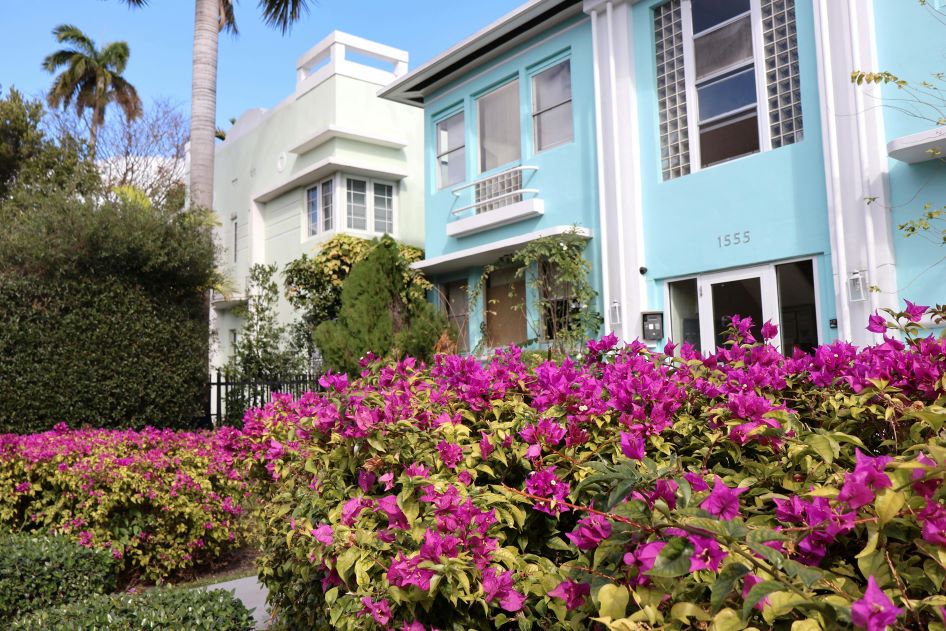
Where you place your container matters just as much as what goes inside it. When you’re considering portable storage containers in Miami, keep in mind that the city’s mix of single-family neighborhoods, high-rise condos, and busy streets means arrangements can look different from one property to another.
Portable Storage on Private Property
Homeowners comparing portable storage units in Miami can keep a container on a suitable driveway or other approved space for easy access to their belongings. That can be especially helpful during a move, kitchen renovation, flooring replacement, or any project that has you moving furniture out of the way without moving it across town.
However, private property doesn’t automatically mean unrestricted placement. Local zoning requirements, property setbacks, and homeowners association (HOA) rules may apply. In areas governed by Miami-Dade County zoning, placing a portable storage unit at a residential property requires a Certificate of Use, even when the container stays on private property.
Portable Storage on Public Streets
Can you park a storage container on the street outside your Miami home? Don’t assume so.
A container occupying a public street, parking space, sidewalk, or other public right-of-way may require authorization from the agency responsible for that location. Before scheduling delivery, confirm whether temporary container placement is permitted at your address and what approvals are necessary.
Portable Storage at Condos and Apartments
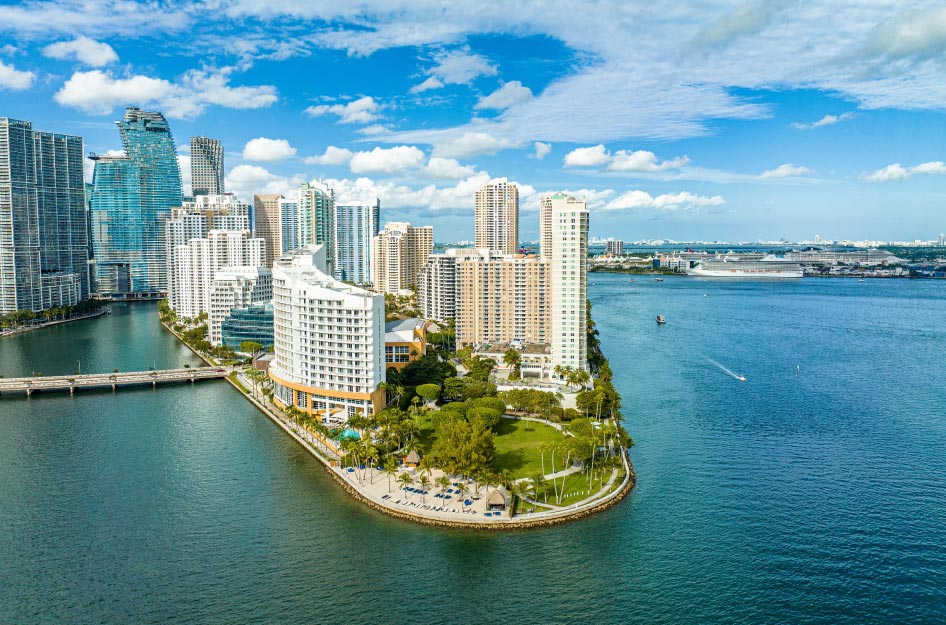
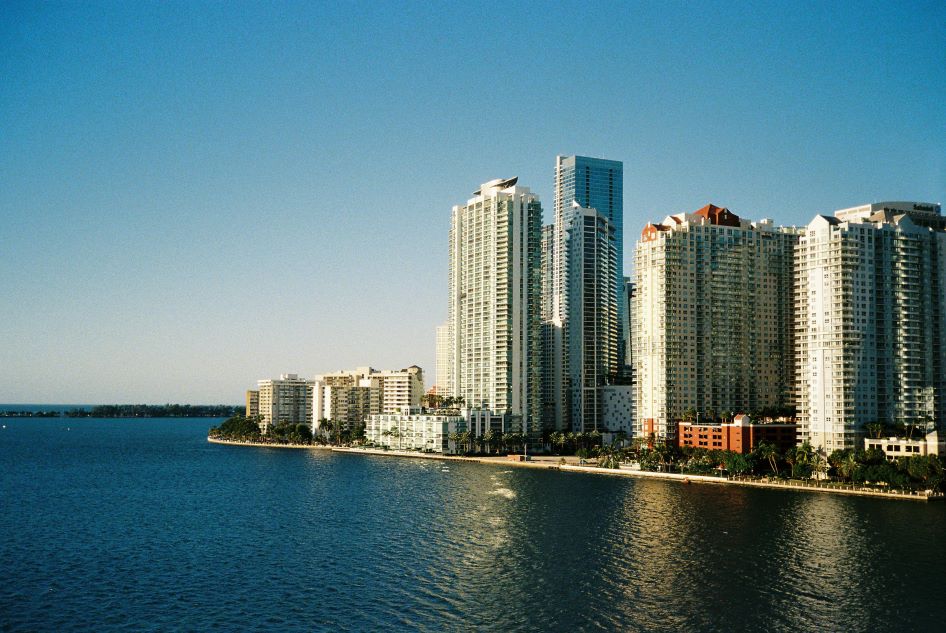
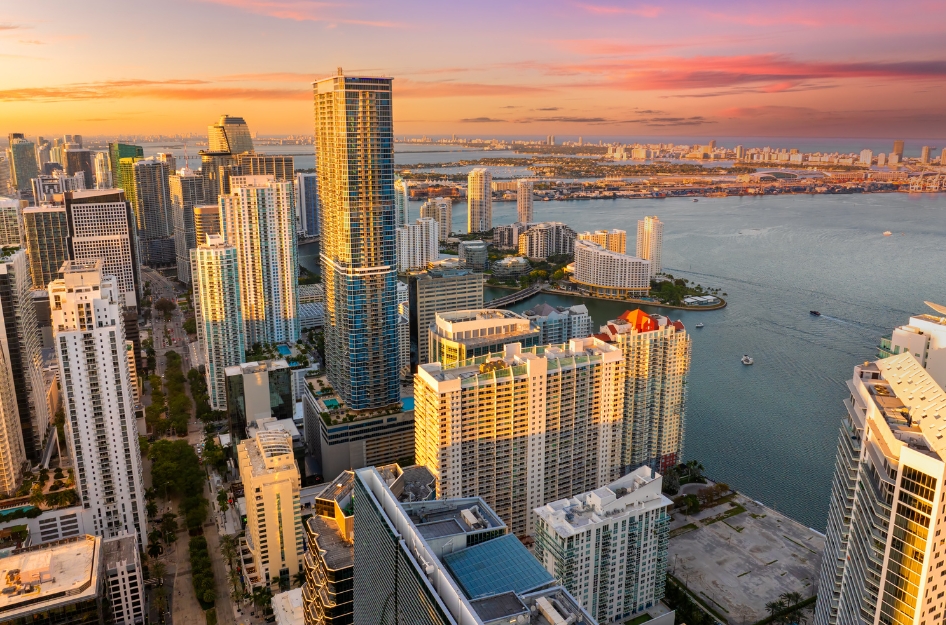
Living in Brickell, Downtown Miami, or another high-density neighborhood? Finding space for a container might require a little extra coordination.
Condo associations, apartment management companies, and HOAs may restrict container placement, delivery hours, and the use of shared parking areas. Ask your building management about approved loading areas, temporary storage restrictions, and delivery arrangements before booking. If your building has limited loading space, you may also need to reserve a loading dock or coordinate delivery with property management in advance.
If on-site placement isn’t practical, off-site storage may be the better fit.
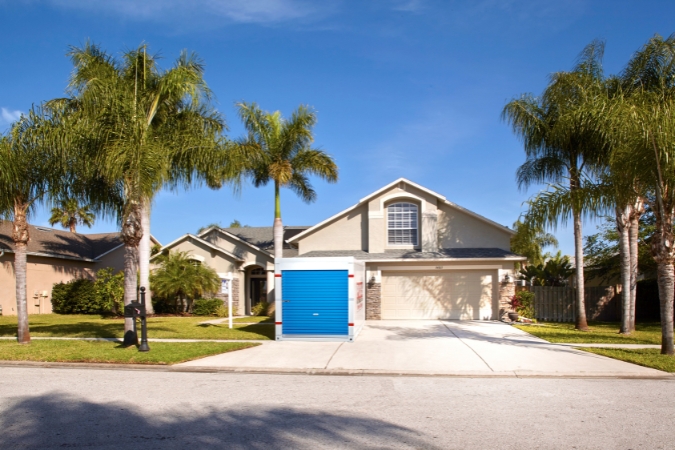
Portable storage containers in Miami are a great, flexible option — just be sure to check local zoning rules and HOA requirements before scheduling your container delivery.
What Are Miami’s Portable Storage Permit Requirements?
Before arranging portable storage, check which rules apply to your address. Regulations depend on the property's location and how the container will be used. Miami-Dade County’s residential portable storage rules cover single-family properties in areas governed by the county’s zoning regulations. The city of Miami and other incorporated municipalities may enforce different zoning and placement regulations.
In areas under county zoning, the rules include:
- Certificate of Use: Property owners must obtain a Certificate of Use before placing an eligible residential portable mini-storage unit.
- Container dimensions: Units cannot exceed 8 feet wide, 16 feet long, and 8 feet high.
- Property setbacks: Containers must be at least 10 feet from the front property line and 5 feet from other property lines.
- Time limits: Placement is limited to 90 total days per calendar year. Extensions may be available through the county’s Zoning Certificate of Use office.
- Approved uses: The rules cover major remodeling, significant additions, or damage repair with a building permit; interior improvements that don’t require a permit; and moving personal items to another location. They don’t allow unrestricted household overflow storage.
- Other conditions: One unit per lot, placed at ground level, with no utility connections, the Certificate of Use posted on the exterior, and no hazardous materials inside. Owners must also attest to windstorm insurance coverage.
If your property has an HOA, you’re also responsible for getting its approval first. These rules matter most if you plan to keep a container at home for weeks or months, so always confirm the requirements with your local permitting authority before arranging delivery.
What Should You Consider When Using Portable Storage in Miami?
There’s more to choosing storage than finding somewhere a container will fit. Miami’s climate, neighborhood layouts, and seasonal weather can all affect your plans.
Hurricane Season and Severe Weather
The Atlantic hurricane season runs from June 1 through November 30. In applicable Miami-Dade County residential areas, portable storage containers must be removed or secured to withstand winds exceeding 100 miles per hour as soon as a hurricane watch is issued.
If you're storing belongings during hurricane season, plan ahead for how the container will be handled if severe weather approaches. Don’t wait until a storm is on your doorstep to figure out the best options.
Heat and Humidity
Miami’s subtropical climate means heat and moisture deserve extra attention, particularly when storing belongings for several months.
PODS containers are weather-resistant, but they aren't climate-controlled. Sensitive belongings, including certain electronics, artwork, documents, and antique furniture, may require more specialized storage conditions.
Before packing, make sure everything is clean and completely dry. Avoid storing prohibited or perishable items, too. (The PODS Blog guide to What Not To Put in a Storage Unit has the specifics.)
Limited Driveway and Parking Space
In neighborhoods with narrow streets, small driveways, or shared parking areas, container delivery may require additional planning.
Check that there's enough room for both the container and delivery equipment. You’ll also want to account for nearby trees, overhead obstructions, and access to the property.
How PODS Helps With Portable Storage in Miami
Flexibility is the biggest advantage of portable storage in Miami. With PODS, you can keep your container nearby for projects requiring frequent access, then move it to off-site storage when you’d rather not give up driveway space.
PODS Storage Centers offer an alternative for homeowners dealing with limited parking, property restrictions, or projects that run longer than local on-site placement rules allow.
Portable Storage Miami — FAQs
Q: How much is a storage unit per month in Miami?
A: According to StorageCafe, traditional storage units in Miami average roughly between $200 and $225 per month. Actual rates depend on unit size, neighborhood, climate-control features, and availability. Portable storage pricing varies based on container size, delivery, transportation, and whether you keep the container at home or at a storage facility. Request a personalized quote for an accurate comparison.
Q: Is it cheaper to rent a PODS storage container or storage unit?
A: Traditional self-storage often has a lower advertised monthly rental price, particularly for smaller units. However, portable storage can eliminate the need to rent a moving truck or make repeated trips to a storage facility. The cheaper option depends on how much you're storing, how long you need storage, and whether convenience or frequent access matters most.
Q: Is it cheaper to build a shed or buy a shipping container?
A: It depends on materials, installation costs, property restrictions, and how long you need the extra space. Building a shed or buying a shipping container can mean substantial upfront expenses, and permanent structures may require additional approvals. Renting a PODS container offers a more flexible alternative, without the commitment of a permanent storage structure. You can keep it on your property where permitted, have it transported to a PODS Storage Center, or even arrange delivery to a new home if you move in the future.
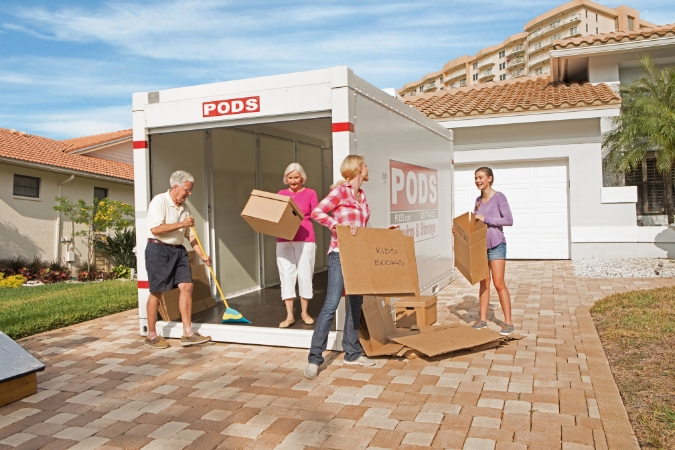
PODS portable storage in Miami is a flexible and convenient storage option.
Make Your Miami Storage More Flexible With PODS
Give yourself some breathing room with portable storage in Miami from PODS. Have a weather-resistant container delivered to your driveway, where you can load your belongings on your schedule. Need help with the heavy lifting? PODS can connect you with local packing and loading services. Whether you're renovating, decluttering, or simply running out of space, keep your container on-site where permitted or have it transported to a secure PODS Storage Center.
Visit PODS online for a free portable storage quote or call 877-350-7637 to explore your options.
Editor’s note: For ease of reading, monthly rental prices were rounded to the nearest $25.
*This article was written on behalf of PODS Enterprises, LLC (“PODS”). PODS does not warrant the completeness or accuracy of any information contained in this article and disclaims any liability for reliance upon the content herein.

Your quote in 60 seconds
Get pricing tailored to your needs!